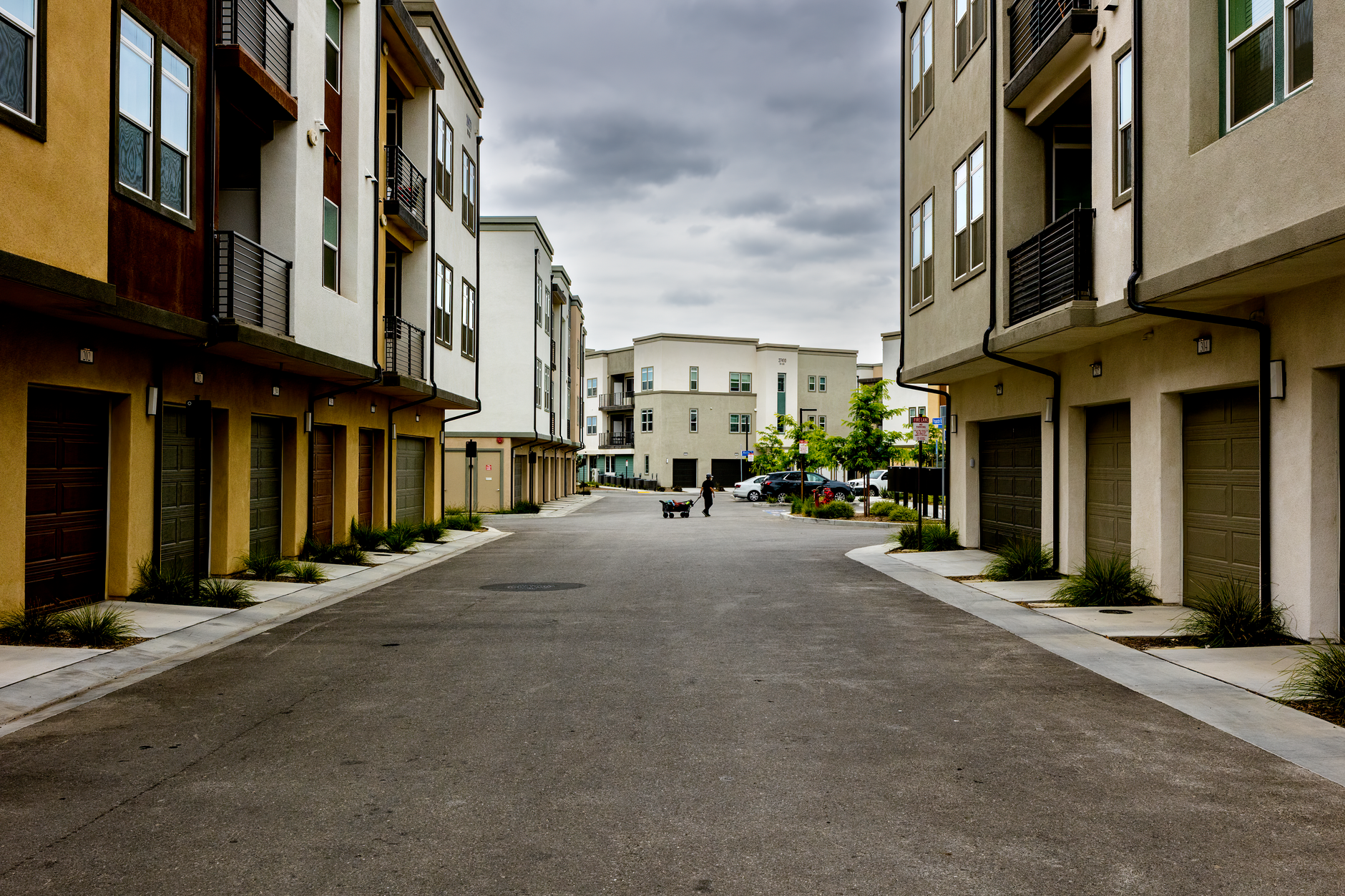
Housing affordability directly threatens retirement security because it consumes an outsized share of retirees' limited income, leaving insufficient funds for healthcare, food, and other essentials—and this squeeze begins long before retirement when high housing costs prevent working Americans from saving. Housing accounts for 35–36% of spending for adults 65 and older, making it the largest household budget category and crowding out other necessities. The problem is structural: Social Security income is fixed and modest, while housing costs continue to rise. Nearly 20% of adults 60 and older already pay more than the recommended 30% of income toward housing, and the situation worsens for renters, who face particularly steep affordability barriers both during their working years and in retirement.
Table of Contents
- Why Housing Costs Overwhelm Retirement Income
- How Pre-Retirement Housing Pressures Undermine Savings
- Wealth Gaps Create Unequal Retirement Outcomes
- Accessing Home Equity Remains Complex and Underused
- A Projected Housing Crisis for Seniors
- Practical Steps to Improve Housing Security Before and During Retirement
- Frequently Asked Questions
Why Housing Costs Overwhelm Retirement Income
social Security averages $2,002 per month in 2025, while median rent ranges from $1,500 to $2,500—leaving renters who rely solely on Social Security with little to nothing for food, medication, utilities, or healthcare. For homeowners with mortgages still outstanding at retirement, the situation is equally constrictive.
The gap reflects a mismatch between benefit growth and housing-market reality. Social Security cost-of-living adjustments (COLA) historically trail housing inflation, especially in high-demand regions. This means each year of retirement deepens the squeeze between fixed income and rising rents or property taxes.
How Pre-Retirement Housing Pressures Undermine Savings
The damage to retirement security begins decades earlier. Nearly 67% of renters cannot afford a down payment, 42% cannot qualify for a mortgage, and 49% cannot afford monthly payments—direct evidence that housing affordability pressures prevent working Americans from accumulating retirement savings.
When rent consumes 40%, 50%, or 60% of a household's income, little remains for emergency savings or retirement contributions. The worker who stays in an expensive apartment rather than saving for a down payment also forgoes building home equity—one of the few reliable wealth-building tools available to middle-income households.
Wealth Gaps Create Unequal Retirement Outcomes
Homeownership rates reveal stark disparities: non-Hispanic White households own homes at 73.1% compared to Black households at 44.7%—a 28.4-point gap that means Black Americans disproportionately enter retirement as renters facing affordability pressures without home equity. This inherited inequality directly translates to lower retirement security for millions of older adults.
The consequences compound. Renters have no home equity to draw from, no property tax breaks available to homeowners, and no leverage to negotiate housing costs. Homeowners, even those with modest assets, can downsize, relocate to lower-cost areas, or explore home-equity access options unavailable to renters.
Accessing Home Equity Remains Complex and Underused
Americans 62 and older hold $13.95 trillion in home equity, yet most cannot easily convert that wealth into retirement income without selling the home or using a reverse mortgage—complex decisions many retirees are unaware of or reluctant to pursue. Reverse mortgages carry costs and complexity; home sales mean relocating and losing the stability of a familiar neighborhood.
📨 Get Free Medicare Guides Alerts
Free · No spam · Unsubscribe anytime
For retirees who want to age in place without full-time employment, neither option feels accessible. This locked wealth remains invisible to most retirees even as housing costs outpace their income.
A Projected Housing Crisis for Seniors
The 85-and-older population is projected to nearly double to 16 million by 2045, but senior housing construction lags demand—pushing more retirees into unaffordable private rental markets with limited alternatives. This demographic wave will intensify affordability pressures on both independent retirees and on adult children trying to help aging parents afford housing. Areas with strong job markets and younger populations already face severe senior-housing shortages, forcing older adults to relocate far from family and established social networks or remain in private rentals at unsustainable cost burdens.
Practical Steps to Improve Housing Security Before and During Retirement
.
- **Prioritize building home equity early.** Even modest down payments on ownership before age 55 can provide equity cushion and mortgage payoff before retirement.
- **Monitor housing-cost ratio.** Keep rent or mortgage payments below 30% of gross income to preserve funds for retirement savings and other essentials.
- **Explore co-housing or shared-living options.** Multi-generational homes, senior co-ops, and shared rentals can reduce per-person housing costs without full relocation.
- **Learn reverse-mortgage rules before age 62.** Understanding eligibility, costs, and alternatives (HELOC, home-equity loans) enables informed decisions if needed later.
- **Review area-specific affordability.** Some lower-cost regions offer equivalent services and communities; planning to relocate in early retirement can recapture housing funds for healthcare and other needs.
Frequently Asked Questions
Can I get help paying for housing in retirement?
Some states and nonprofits offer property-tax relief, housing subsidies, or rent assistance for low-income seniors—eligibility varies by location and income. Contact your local Area Agency on Aging for programs in your region.
What is a reverse mortgage and how does it work?
A reverse mortgage lets homeowners 62+ borrow against home equity and receive payments (lump sum, line of credit, or monthly). You keep the home and remain responsible for taxes and insurance; the loan is repaid when you sell or pass away. Costs are significant and vary; consult a HUD-approved counselor before proceeding.
Why do renters face worse retirement outcomes?
Renters do not build equity, lack property-tax breaks, and cannot downsize to recover capital. High pre-retirement rent also prevents saving for retirement—creating a compounding disadvantage that begins in working years.
You Might Also Like
- Retirement Savings Gap Widens: How Americans Can Close the Shortfall
- Retirement Housing Costs: Why Fixed-Income Seniors Feel Inflation First
- Public Pension Funding Update: States With Stronger Retirement Security