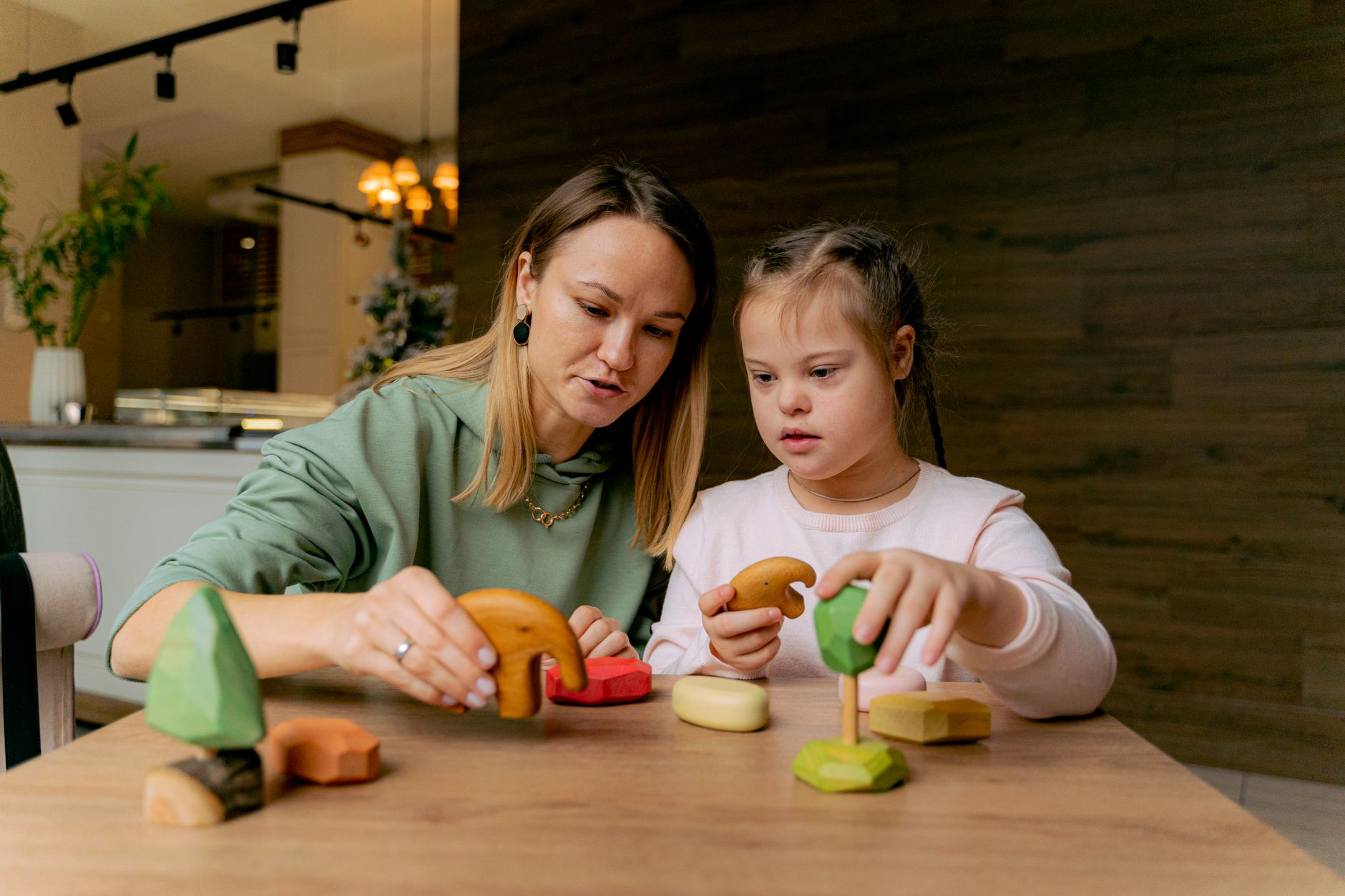
For 2026, the maximum federal Supplemental Security Income (SSI) payment for a disabled child rose 2.8% to $994 per month, up from $967, according to the Social Security Administration's 2026 COLA fact sheet. The resource limits families must stay under are unchanged at $2,000 for an individual, and a proposed rule rescission now moving through the administration could reduce or end benefits for hundreds of thousands of recipients, including families of disabled children who receive SNAP. SSI is the program that pays monthly benefits to children under 18 with qualifying disabilities in low-income households. The new amounts took effect with the payment dated December 31, 2025, and apply automatically — no application or renewal is needed to receive the increase.
Table of Contents
- The 2026 numbers at a glance
- How parental income shrinks the check
- Students can earn more without losing benefits
- The pending rule change that could cut payments
- What families should do now
- Frequently Asked Questions
The 2026 numbers at a glance
The 2.8% cost-of-living adjustment lifted the maximum federal SSI payment to $994 per month for an individual and $1,491 for a couple. A disabled child with no countable family income can receive the full $994, though in practice most children receive less because part of their parents' income counts against the benefit. Two figures did not change.
The SSI resource limits remain $2,000 for an individual and $3,000 for a couple, because those limits are set in statute and are excluded from the annual adjustment. They have not moved with inflation, so a family whose savings creep past $2,000 in countable assets can lose the child's eligibility even as payment amounts rise. For working teens and applicants, the substantial gainful activity threshold — the earnings level above which SSA considers someone able to work — rose to $1,690 per month for non-blind individuals, up from $1,620, per the 2026 COLA fact sheet. The trial work period service amount rose to $1,210.
How parental income shrinks the check
For a child under 18 living at home, SSA "deems" a portion of parental income to the child — it treats some of what the parents earn as available to the child, reducing the SSI payment dollar for dollar after exclusions. The SSA's deeming rules for 2026 first set aside a living allowance of $994 for one parent, or $1,491 for two parents, plus an allocation of $497 for each nondisabled child in the household. Only the remainder counts against the child's benefit. The practical effect: a larger household with several nondisabled siblings shields more parental income, while a single parent with one disabled child hits the countable threshold sooner.
This is why two children with identical medical conditions can receive very different monthly amounts. Deeming ends entirely at age 18. At that point SSA redetermines eligibility under adult disability rules, counting only the young adult's own income and resources. Some 18-year-olds who received reduced payments as children qualify for the full amount as adults; others lose eligibility under the stricter adult disability standard.
Students can earn more without losing benefits
The Student Earned Income Exclusion lets an SSI recipient under age 22 who regularly attends school keep wages without any benefit reduction. For 2026, the exclusion covers up to $2,410 per month in earnings, capped at $9,730 for the year, according to the SSA Red Book's 2026 update. This matters for families weighing whether a disabled teen should take a part-time or summer job.
Within the exclusion limits, a student's paycheck does not touch the SSI payment at all — the fear that work automatically cuts benefits is, for students under 22, largely unfounded. The exclusion is separate from the substantial gainful activity test. A student's earnings under the exclusion do not count toward the $1,690 monthly SGA threshold in the same way, but earnings near that level will matter at the age-18 redetermination, so families should track both figures as a teen approaches 18.
The pending rule change that could cut payments
In April 2024, SSA expanded its definition of a "public assistance household" — a status that reduces or eliminates deemed income for SSI recipients — to count SNAP as qualifying assistance and to require only one other household member receiving benefits. The administration has moved to rescind that rule; per the original Federal Register rule and subsequent reporting, the rescission proposal was submitted in July 2025 but has not yet been published for public comment. The stakes are large.
📨 Get Free Medicare Guides Alerts
Free · No spam · Unsubscribe anytime
The Center on Budget and Policy Priorities estimates, in an analysis cited by a Disability Rights Law Center report, that more than 275,000 SSI recipients would see payments reduced and more than 100,000 would lose eligibility entirely if the rescission takes effect. Families of disabled children who receive SNAP are among those affected. Nothing has changed yet. A rescission must go through public comment before it can take effect, so families currently benefiting from the 2024 rule should watch for the proposal's publication — the comment period is the opportunity to weigh in.
What families should do now
The 2026 amounts arrive automatically, but the benefit amount is only as accurate as the information SSA has on file. Deemed parental wages — not changes in the child's condition — are the most common reason a child's monthly SSI amount changes or stops, per the SSA's guide to SSI for children.
Practical steps for 2026: For grandparents raising a disabled grandchild — a common situation among readers planning retirement — note that deeming applies to parents, and the rules differ when a child lives with other relatives. That distinction alone can change whether the child receives the full $994.
- Report parental income changes to SSA promptly — a raise reported late becomes an overpayment SSA will claw back.
- Check countable resources against the $2,000 limit, which did not rise; a savings account that grew with the COLA can quietly cross it.
- If your teen is in school and working, keep pay stubs and enrollment proof to claim the Student Earned Income Exclusion.
- If your child turns 18 in 2026, prepare for the adult redetermination: gather medical records now, since the adult standard differs from the childhood one.
Frequently Asked Questions
Did the SSI resource limit go up for 2026?
No. It remains $2,000 for an individual and $3,000 for a couple. The limits are set in statute and do not receive the annual cost-of-living adjustment.
When did the 2026 increase start?
Increased SSI payments began with the payment dated December 31, 2025, reflecting the 2.8% cost-of-living adjustment.
Does my child's SSI end automatically at 18?
No, but SSA redetermines eligibility under adult disability rules at 18, using only the young adult's own income and resources. Parental deeming stops at that point.
Can my disabled teen work without losing SSI?
A student under 22 who regularly attends school can earn up to $2,410 per month, capped at $9,730 per year in 2026, with no reduction in their SSI payment.
You Might Also Like
- When to Claim Social Security Update 2026: Limits, Benefits, and Policy Changes
- Social Security COLA 2027 Update : Limits, Benefits, and Policy Changes
- Roth IRA Update 2026: Limits, Benefits, and Policy Changes